 (848) 800-4263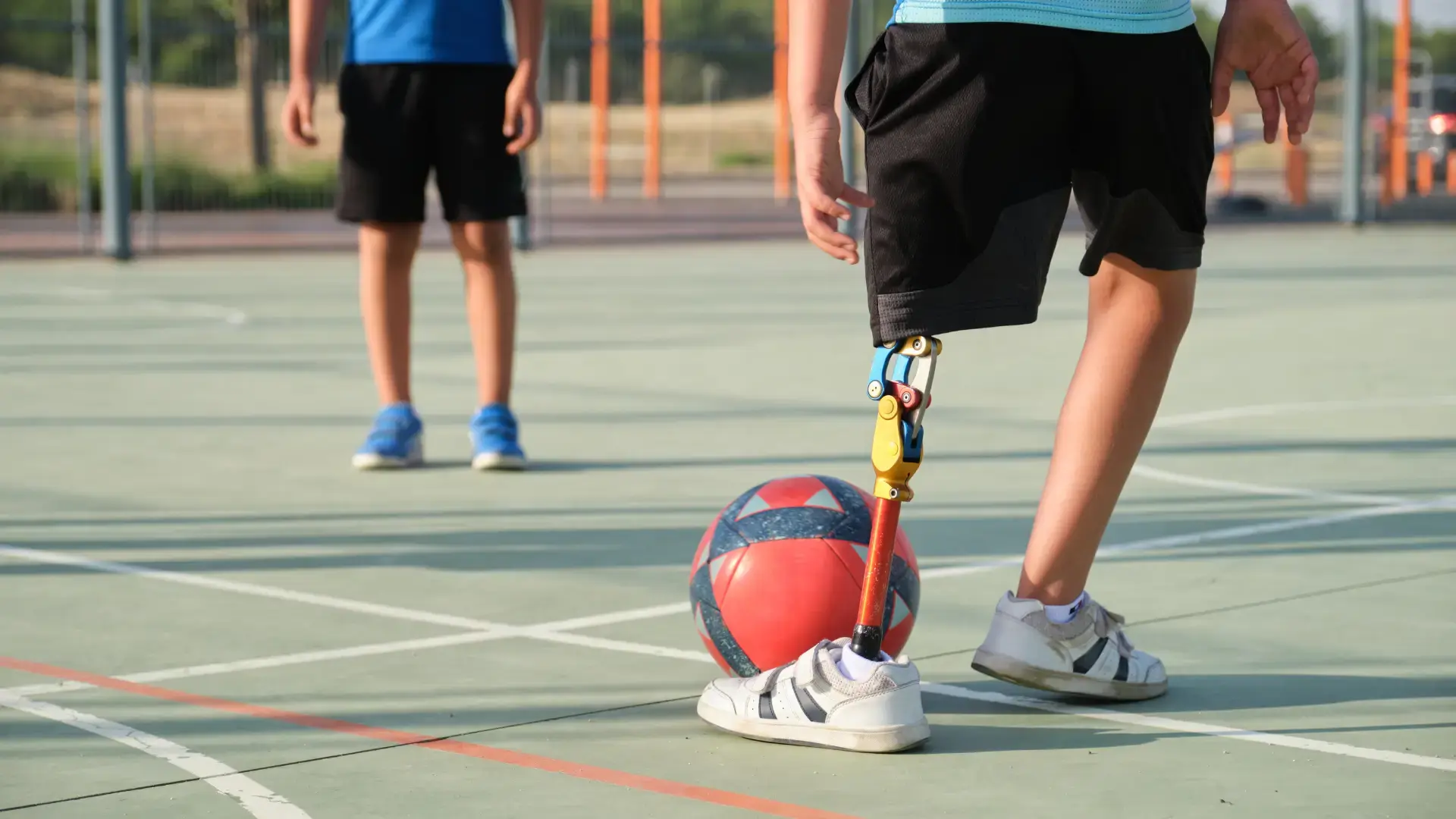
Adaptive Sports and Hobbies After Limb Loss
Losing a limb changes many things, but it doesn’t take away your passion, your potential, or your right to enjoy life fully. Whether you’re newly navigating limb loss or adapting to long-term changes, it’s natural to wonder what’s still possible. The good news? A lot.
With the right support and a little creativity, the activities you love, or have always wanted to try, may still be within reach. Many sports and hobbies can be modified to fit your needs, help you regain confidence, and bring a renewed sense of purpose and joy.
From adaptive sports that build strength and coordination to creative outlets that encourage focus and expression, there are many ways to reconnect with movement, creativity, and community after limb loss.
Why Hobbies and Movement Matter After Amputation
After limb loss, movement is essential in aiding physical recovery. But it extends far beyond that, helping to rebuild confidence, restore independence, and reconnect with what brings joy.
Regular activity plays a powerful role in recovery, whether it’s a daily walk, a new creative outlet, or returning to a beloved sport. It supports coordination, strength, and muscle memory, all of which are important when adapting to a prosthetic arm or hand. Hobbies also provide mental relief, helping ease anxiety, depression, and the emotional toll of recovery.
At ARMS Clinic, we believe healing extends beyond surgery. Our whole-person approach supports your physical, emotional, and social recovery every step of the way.
“Engaging in meaningful activities is a powerful part of recovery after upper-extremity limb loss,” explains Alta Fried, CHT, OTR/L, hand therapist and co-founder of Amputation Rehabilitation Medicine and Surgery (ARMS). “When patients return to hobbies or try new ones, they are not just rebuilding strength, they are rebuilding confidence and reconnecting with the parts of life that matter most to them.”
Top Adaptive Sports After Upper-Extremity Limb Loss
Sports aren’t off-limits after limb loss. They just look a little different. With the right tools and support, you can stay active and push your limits in new ways.
Here are some accessible options to explore:
- Cycling: Adaptive handlebars and seating make biking possible for many.
- Rock Climbing: Custom grips and harnesses help you reach new heights.
- Running: Arm swing adaptations, balance training, and core strength can support participation, even for individuals with upper-extremity limb loss.
- Swimming: One-arm strokes and floatation aids support mobility and strength.
Before starting any new activity, speak with your physical or occupational therapist. They can guide safe movement and recommend sport-specific prosthetic options.
Want to connect with others in your community? Explore resources like Move United for programs that support adaptive athletes across the country.
Creative Hobbies That Promote Healing
Hobbies don’t need to break a sweat to be powerful. Creative outlets offer a calming, focused space for expression, healing, and rebuilding fine motor skills.
Some ideas include:
- Gardening: Boosts mood, improves dexterity, and connects you with nature.
- Music: Playing an instrument or even listening can lift spirits.
- Painting or Digital Art: Encourages creative freedom while building hand-eye coordination.
- Woodworking: With proper safety adaptations, this can be a rewarding and empowering hobby.
ARMS Clinic’s rehabilitation specialists work with you to incorporate personal goals into recovery, from painting with a prosthetic arm to returning to activities like playing an instrument.
Group Activities & Social Programs
Social activities are also essential to recovery. Connecting with others who share similar experiences can make a meaningful difference.
Consider joining:
- Adaptive fitness classes or sports leagues for people with limb differences
- Peer mentorship programs to connect with those further along in their journey
- Support groups or community centers that host inclusive activities
These spaces provide not just movement, but encouragement, laughter, and a reminder that you're not alone.
Prosthetics Designed for Movement
Modern upper-extremity prosthetics are more versatile than ever, especially when paired with precision nerve procedures such as TMR (Targeted Muscle Reinnervation) or RPNI (Regenerative Peripheral Nerve Interface).
Whether you're into rock climbing or playing the piano, prosthetics can be customized with:
- Activity-specific attachments
- Lightweight designs for sports
- Improved grip control for creative work
ARMS Clinic’s team of specialists works together to design devices that support your lifestyle, not limit it.
Finding the Right Fit for You At ARMS Clinic
Everyone’s journey is different, and so are your interests. Whether you're rediscovering an old passion or trying something brand new, the team at ARMS is here to guide and support your goals.
We offer:
- Beginner-friendly hobby recommendations
- Low-cost adaptive gear resources
- Activity-based prosthetic planning
Recovery is not linear, but it is possible. With the right support, it can include movement, meaning, and joy. We’ll help you explore options that fit your life and your passions. Let’s find what moves you. Contact ARMS Clinic today to schedule your appointment.