 (848) 800-4263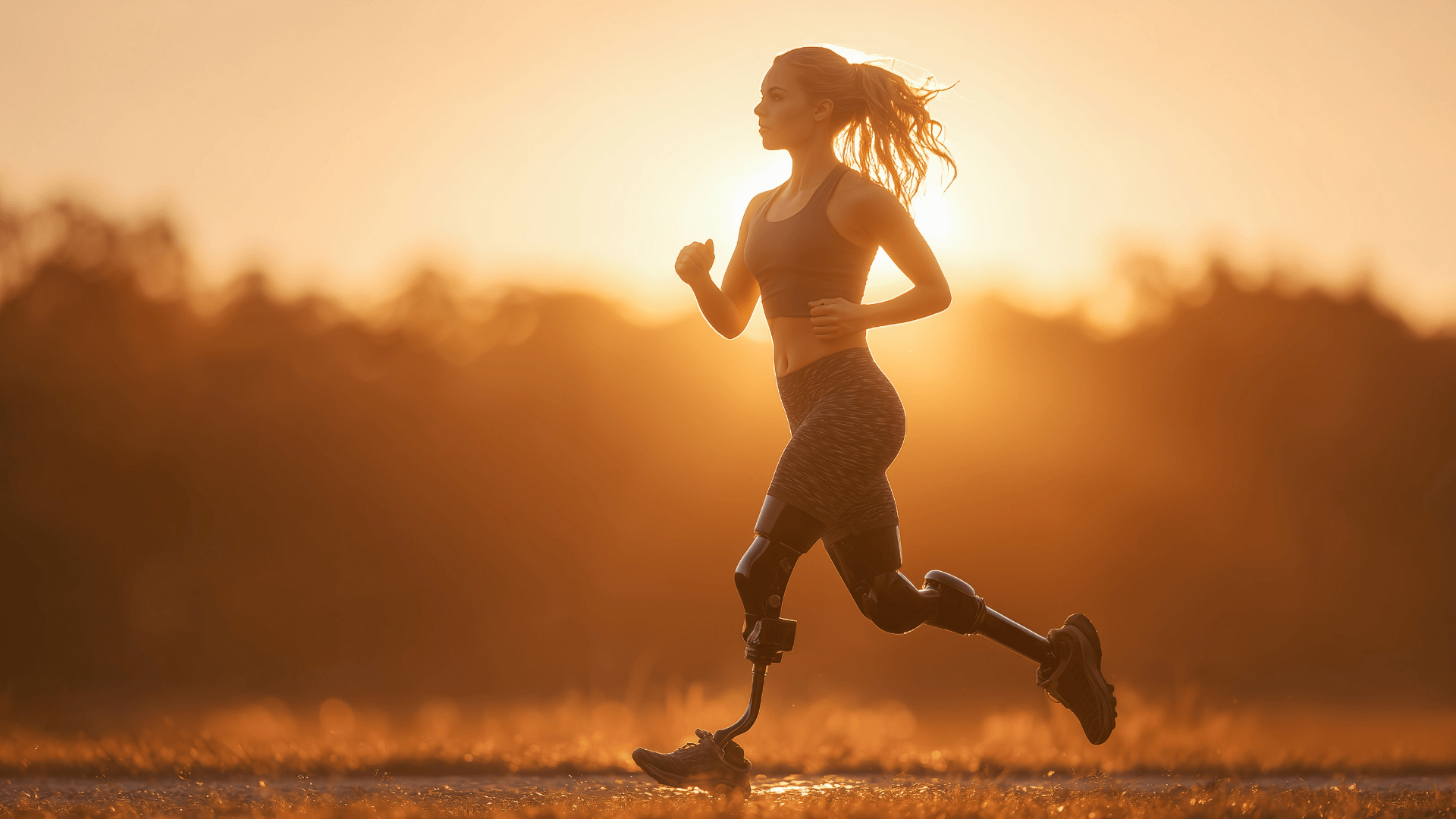
How to Stay Active and Fit After Limb Loss
Summarize with AI
Losing a limb changes many things, but it does not take away your strength, your resilience, or your ability to live an active life. Initially, the idea of getting back into exercise or staying fit may feel overwhelming. You may be wondering: “Can I do this safely?” or “Will I ever move the way I used to?” Those questions are completely normal, and you're not alone in asking them.
At Amputation Rehabilitation Medicine and Surgery (ARMS), we believe movement plays an important role in recovery. With the proper care, support, and tools, individuals who experience limb loss can safely build strength, improve functional movement, and rebuild confidence in their bodies.
The Importance of Staying Active in Life After Limb Loss
Staying active after limb loss isn’t just about movement. It’s about rebuilding your strength, restoring confidence, and supporting your long-term health. Whether you are completing daily tasks or exploring a new adaptive sport, every effort matters.
“Staying active after upper-extremity limb loss is not about pushing limits. It is about reconnecting with movement in a way that feels safe and meaningful,” explains Alta Fried, CHT, OTR/L, hand therapist and co-founder of Amputation Rehabilitation Medicine and Surgery (ARMS). “Even small, consistent activities can help rebuild strength, coordination, and confidence over time.”
Some physical benefits of staying active include:
- Improved coordination and body awareness
- Faster healing and prosthetic adaptation
- Improved muscle strength and endurance
- Increased energy levels
- Reduced risk of chronic conditions
Some mental and emotional benefits include:
- Better sleep and stress management
- Boosted mood and reduced anxiety
- Increased confidence and body awareness
- Stronger sense of independence
Regular movement can also help reduce long-term complications, such as joint stiffness, muscle weakness, and circulation challenges, all of which can impact prosthetic use and overall comfort in the long run.
It’s important to remember: you don’t need to push yourself to extremes. Whether you're stretching in your living room or walking with your prosthetic for the first time, your movement is meaningful.
Start with a Safe, Personalized Rehab Plan
After surgery, you’ll first work closely with physical and occupational therapists who specialize in limb loss recovery. These experts will guide you through gentle, effective movements designed to help your body heal and adapt.
With their support, you’ll begin with basic range-of-motion and coordination exercises to rebuild coordination and confidence. Over time, your plan should evolve to include gradual strength-building and endurance-focused routines that support your unique goals.
Exercises After Limb Loss
With the right equipment, guidance, and an open mind, life after limb loss does not have to look dramatically different. It’s just about finding the right exercises that work best for you.
Supportive Devices for Safe Movement
The type of prosthetic used can shape the kinds of activities that feel best. Myoelectric prosthetics (which use electrical signals from your muscles) offer fine motor control and can help with tasks like lifting or grasping. Mechanical prosthetics offer durable, body-powered movement that can support lifting, positioning, and other functional upper-extremity tasks.
Assistive devices, such as trekking poles, limb sleeves, and swim fins, can also make activities such as swimming, lifting, or exercise safer and more accessible. Your care team at ARMS will help you select the right devices to match your goals and comfort level.
Low-Impact Fitness Options
Staying active doesn’t require high intensity. Many patients benefit from low-impact exercises that build endurance without overloading joints or the residual limb. Some great options include:
- Chair-based workouts for strength and flexibility
- Gentle yoga or stretching to support flexibility and functional movement
- Water therapy to reduce pressure and increase your range of motion
- Stationary biking for cardiovascular exercise with added stability
These activities are often ideal during early recovery or for those seeking a sustainable daily routine.
Adaptive Sports and Recreation
If you’re ready to take things to the next level, adaptive sports open the door to adventure, community, and confidence-building. With the proper training, individuals living with limb loss can participate in:
- Adaptive cycling or handcycling
- Martial arts for strength and coordination
- Rock climbing with limb supports
- Sit-skiing or snowboarding for winter fitness
When to Rest, Modify, or Consult a Limb Loss Specialist
Staying active after limb loss is a process that unfolds over time. Any signs of overuse, fatigue, or discomfort are your body’s way of asking for a break or a change in routine. It's perfectly okay to rest and adjust.
If you're managing phantom limb pain, socket irritation, or prosthetic discomfort, your activity plan may need to shift. Small changes in your approach or equipment can make a meaningful difference in how you feel during and after movement.
That’s where the ARMS Clinic’s multidisciplinary team can help. Our upper extremity surgeons, therapists, prosthetic specialists, and rehab experts work together to provide personalized care that evolves with you. Request an appointment today to find a fitness plan that best supports your body and goals.