 (848) 800-4263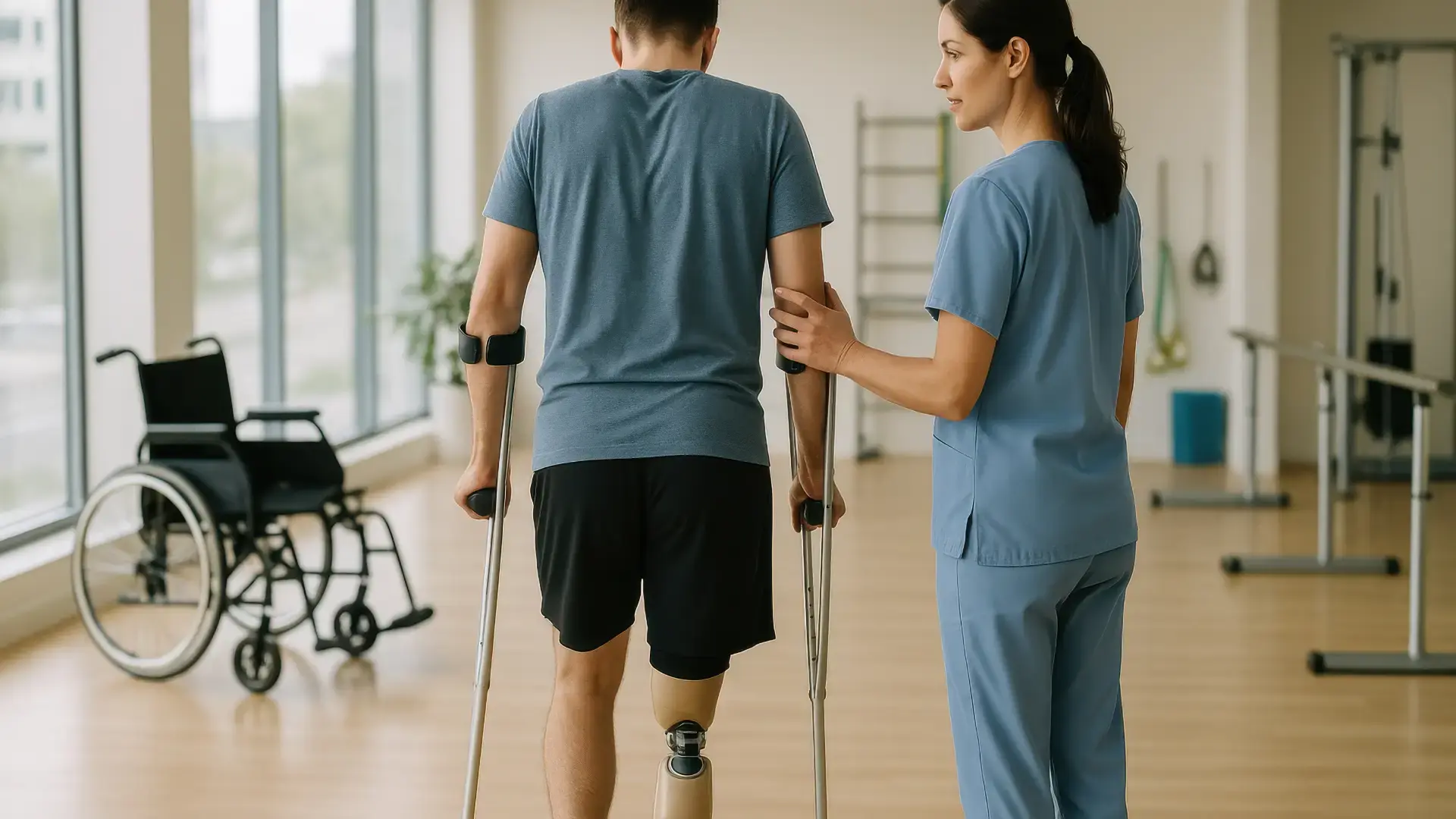
The Importance of Physical Therapy in Post-Amputation Recovery
Adjusting to life after upper-limb loss isn’t just about learning to do things differently, it’s about rediscovering what your body is capable of. That process takes time, support, and the right kind of guidance. Physical therapy provides a structured path forward, helping you build strength, restore function, and gain the confidence to take on daily tasks in new ways.
In this article, we’ll explore why physical therapy is essential after upper-extremity limb loss, what to expect in your rehabilitation journey, and how the right approach can support lifelong recovery.
Why Physical Therapy Is Essential After Amputation
After upper-limb loss, your body works a bit like a team that’s just lost a key player. Everyone else has to adjust, picking up new roles, learning new ways to work together, and finding a new rhythm.
Physical therapy helps lead that process. It retrains muscles, re-establishes brain-body connections, and teaches your body how to move efficiently and safely again. With the right support, that “team” becomes strong, coordinated, and confident, just in a new way.
Here’s how physical therapy supports your recovery after upper-limb loss:
- Build strength and stability in the remaining limb and residual limb
- Reduce pain by improving circulation and mobility
- Prepare for prosthetic training and daily life tasks
- Boost emotional health and restore a sense of control
Patients who skip therapy often face longer recovery times, reduced functional progress, and delays in adapting to a prosthesis or assistive strategies. Those who commit to therapy typically regain mobility faster and with fewer complications.
Key Goals of Physical Therapy in Amputation Rehab
Every journey is different, but most therapy programs aim to:
- Improve coordination and postural control
- Build endurance and strength
- Improve flexibility and range of motion
- Support emotional healing and self-esteem
- Prepare for prosthetic use and everyday activities
At ARMS, physical and occupational therapists work closely with surgeons, prosthetists, and mental health specialists to ensure care is truly connected—because whole-person recovery matters. Physical therapy focuses on strength, mobility, and movement patterns, while occupational therapy helps individuals relearn daily activities, fine motor skills, and adaptive strategies for independent living.
“Physical therapy isn’t just about movement, it’s about confidence,” says Alta Fried, CHT, OTR/L, co-founder of Amputation Rehabilitation Medicine and Surgery (ARMS). “We see patients transform not just physically, but emotionally, as they realize what’s possible.”
What to Expect in a Post-Amputation PT Program
Physical therapy usually begins shortly after surgery, once your body has had time to heal, and continues through prosthetic training and long-term recovery. Every program is personalized, but most follow a structure that helps guide your progress step by step.
Here’s what a typical therapy plan may include:
- Getting to know you: Your first session often includes a full-body assessment to understand your needs, set goals, and create a plan that fits your life.
- Movement and strength training: You’ll work on building strength, improving flexibility, and restoring coordination through targeted exercises designed for your level of function.
- Pain and swelling relief: Techniques like gentle stretching, compression, and soft tissue work can help manage discomfort and improve how your residual limb feels and functions.
- Education and safety tips: You’ll learn how to care for your residual limb, avoid falls, and prepare for everyday tasks with or without a prosthetic.
Most patients come to therapy 2–3 times a week, with exercises to do at home in between. While recovery timelines vary, many people begin seeing progress within the first two to three months.
How Physical Therapy Supports Prosthetic Training
You wouldn’t run a marathon without training, using a prosthetic is similar. Your body needs to be ready, especially the muscles that control the prosthetic device.
Therapy helps by:
- Conditioning muscles to prepare for prosthetic movement
- Improving coordination for smooth, natural motion
- Practicing daily tasks like grabbing objects or getting dressed
- Preventing injuries through proper posture and alignment
ARMS patients benefit from having therapy and prosthetic teams under one roof. This means faster communication, more personalized adjustments, and fewer roadblocks on your journey.
“Physical therapy is most effective when it’s part of a coordinated care plan,” says Alta. “When surgeons, therapists, and prosthetic specialists work as one team, we’re able to create a smoother, more connected recovery experience that supports every aspect of a patient’s life.”
Why ARMS Offers a Unique Approach to Amputation Rehab
ARMS is more than a clinic, it’s a care ecosystem built around your needs. With partners like Hanger Clinic, Atlantic Hand Therapy, and Hackensack Meridian Health, you receive top-level care across every stage of recovery, all in one place.
Here’s what sets ARMS apart:
- Hyper-specialized team including surgeons, therapists, and prosthetists
- Innovative techniques like Targeted Muscle Reinnervation (TMR)
- Holistic support for emotional well-being and long-term recovery
- All-inclusive care model for fewer referrals and more personalized guidance
Whether you’re newly navigating limb loss or further along in your recovery, ARMS is here with expert care, compassionate support, and a team who sees your potential, not just your condition.
Ready to explore your options? Our ARMS team is here to help. Schedule a personalized consultation today.