 (848) 800-4263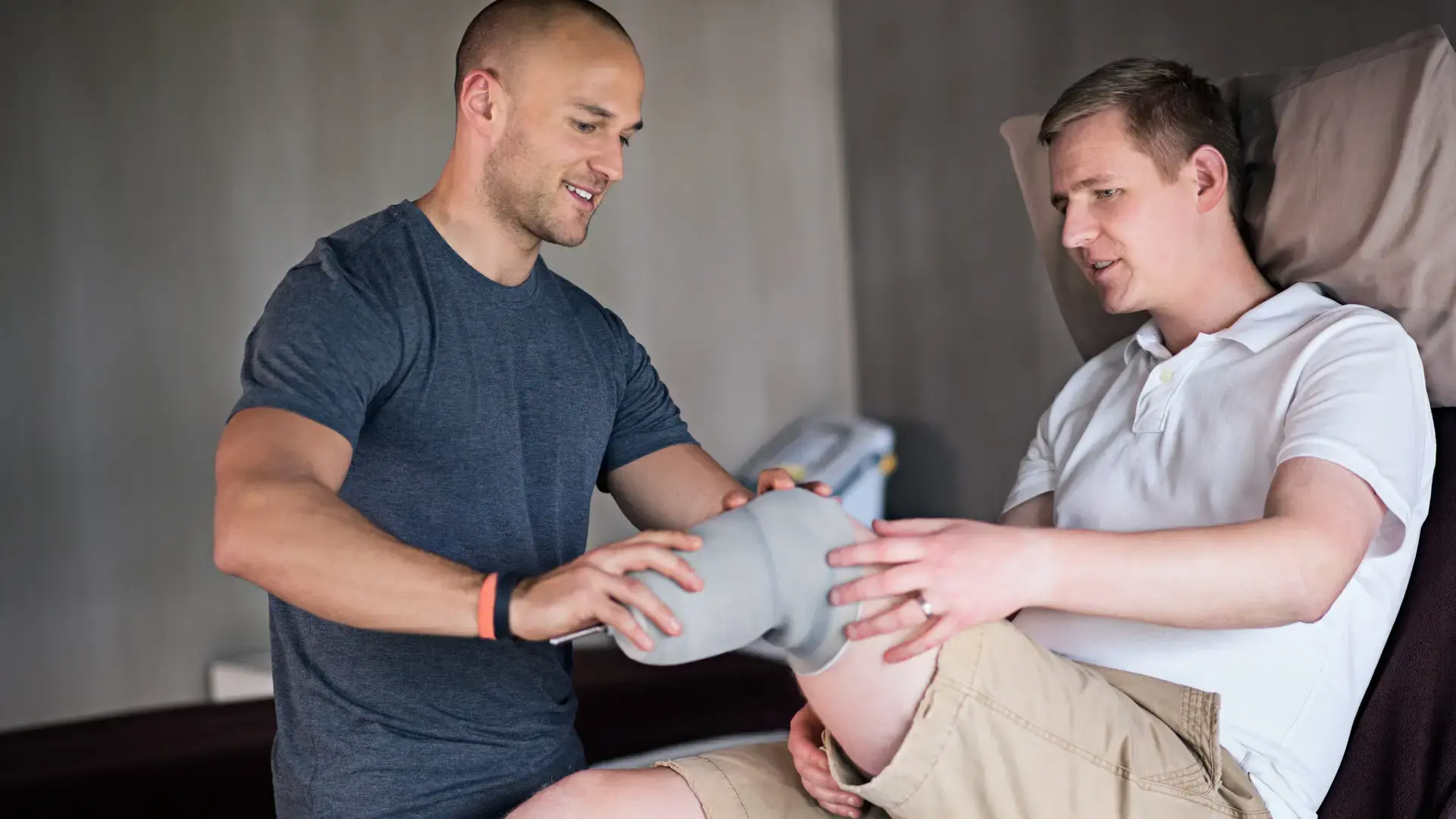
The Science Behind TMR: How Surgeons Reroute Nerves to Prevent Pain
Imagine a phone line that keeps ringing even though no one is on the other end. For many individuals after limb loss, that is what nerve signals can feel like: constant, confusing, and sometimes painful. These sensations, known as phantom limb syndrome, can feel just as real as the limb that was once there.
Today, advances in surgery offer new hope. One of the most promising developments is targeted muscle reinnervation (TMR), a surgical technique that reroutes nerves to soothe symptoms while allowing for smoother, more natural movements with prosthetic devices.
“Phantom limb pain is driven by misfiring nerve signals, not by the absence of the limb itself,” explains Dr. Ajul Shah, co-founder of Amputation Rehabilitation Medicine and Surgery (ARMS). “TMR allows us to redirect those nerves in a way that reduces pain and creates healthier communication between the brain and body.”
What Is Targeted Muscle Reinnervation (TMR)?
TMR surgery is a procedure that carefully redirects the nerves previously connected to the missing limb to functionally redundant nerves that grow into nearby muscles. This approach offers two significant benefits for patients:
- Improved prosthetic control by creating clear signals that advanced prosthetic devices can detect.
- Reduced pain by lowering the chance of painful nerve growths, called neuromas.
TMR is frequently performed as part of Amputation Rehabilitation Medicine and Surgery’s treatment offerings, and it plays an important part in helping individuals move forward with greater comfort and functional independence.
Why Phantom Limb Pain Happens After Amputation
After amputation, the body’s nerves don’t just stop working. Severed nerves often try to heal, forming bundles known as neuromas. These bundles can misfire, sending pain signals even though the limb is no longer there.
At the same time, the brain still expects messages from the missing hand or arm. This disconnect between what the body sends and what the brain receives can lead to phantom limb sensations. For many individuals, this can feel like itching, tingling, or sharp pain.
Without surgical nerve management, phantom limb pain may become a long-term challenge, leading to challenges such as poor sleep and changes in emotional well-being.
How Surgeons Reroute Nerves Using TMR
The science behind TMR as a phantom limb pain treatment method is both innovative and effective. Your surgeon will follow a careful process:
- Locate the severed peripheral nerves after amputation
- Transfer those nerves into the nearby motor nerves within a healthy muscle
- Allow the nerves to connect to the muscle, creating new, functional pathways
When these muscles are reinnervated, they produce electrical signals, or EMG signals, as they contract. Through these pathways, TMR surgery calms misfiring signals and restores clearer communication between the brain and body.
Research shows that patients who receive TMR often experience fewer episodes of phantom limb pain. Many also describe their symptoms as less severe overall. For individuals who have struggled with ongoing discomfort, these improvements can significantly improve daily comfort and quality of life.
TMR’s Role in Controlling Smart Prosthetics
Another advantage of TMR is its role in controlling advanced prosthetics. Once nerves connect to healthy muscle, that muscle generates strong signals to the brain.
Sensors help translate those signals into movement for a prosthetic device. This means a patient can think about closing their hand or lifting their arm, and the prosthetic immediately responds. This supports more precise and responsive prosthetic control, especially for patients with upper-extremity limb loss.
TMR at ARMS Clinic: Surgical Precision Meets Whole-Person Care
Our surgeons specialize in upper-extremity care, including phantom limb syndrome, and bring extensive experience in advanced nerve procedures. This allows each patient to receive carefully planned, individualized treatment.
What also makes ARMS unique is the full-circle care model. Surgery is only the beginning. Patients benefit from coordinated rehabilitation, physical and occupational therapy, and customized prosthetic fitting, all within the same ecosystem of care.
This approach is powered by interdisciplinary collaboration. Surgeons, therapists, and prosthetists work side by side, sharing expertise and personalizing every step of treatment to the patient’s goals. For patients considering TMR, this means not just advanced surgery, but also a clear path toward recovery and renewed confidence.
Considering TMR? Get a Personalized Surgical Evaluation
Not every patient requires TMR, but if you’re living with phantom limb pain or preparing to use advanced prosthetics, the benefits may be meaningful for select individuals.
TMR is part of a comprehensive care model that combines surgery, rehabilitation, therapy, and prosthetics under one roof. Patients are supported by a compassionate, multidisciplinary team every step of the way.
Start your evaluation with ARMS and discover how TMR can support both your recovery and long-term goals. Contact ARMS today to schedule an appointment.